- Your cart is empty
- Continue Shopping


Alternatives to Benzodiazepines for Anxiety in the UK
- Pharmacy
- Posted on
- by sleepingpillsuk
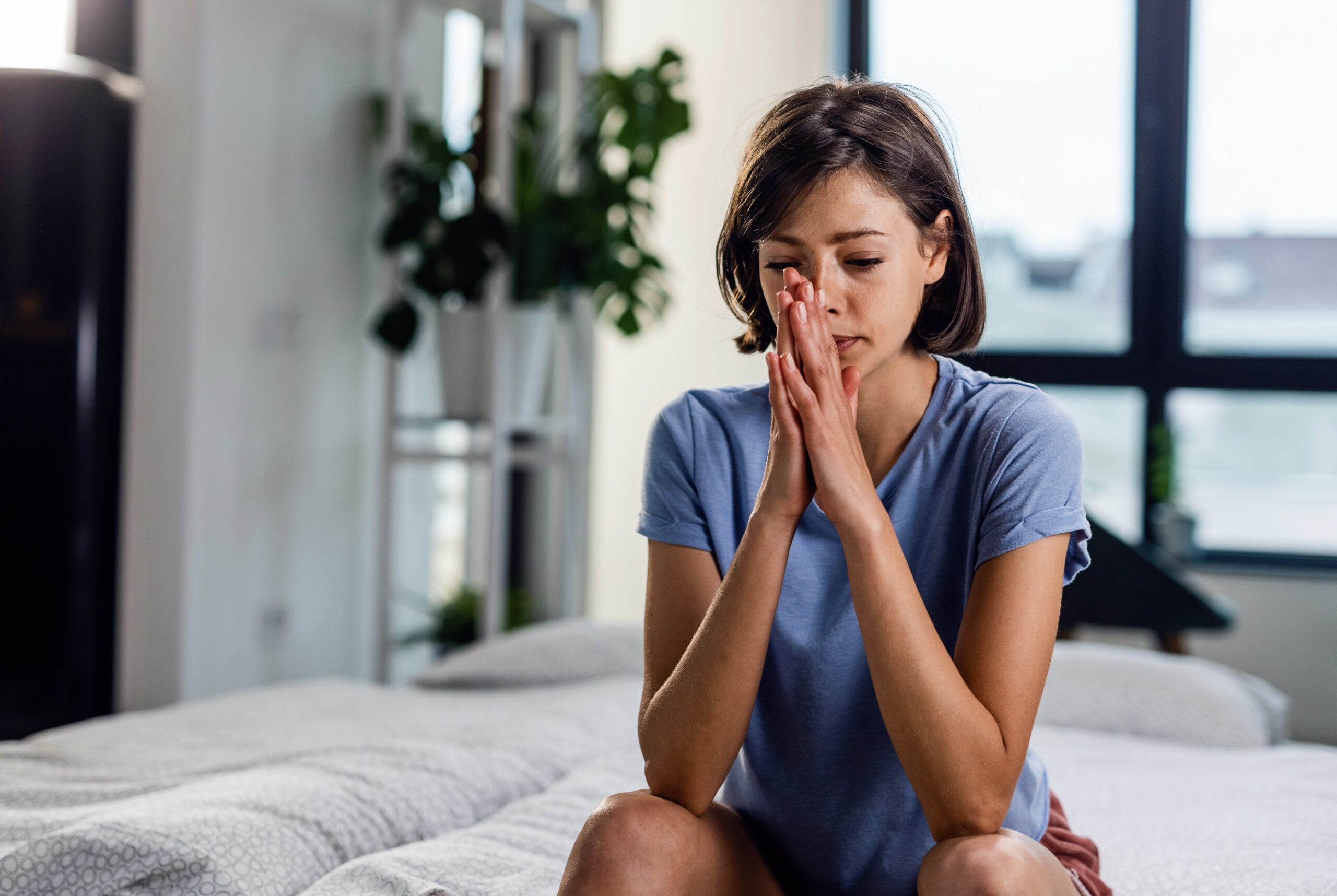
Anxiety is a common mental health condition that affects millions of people in the United Kingdom. It can manifest as persistent worry, tension, restlessness, or physical symptoms such as increased heart rate and difficulty concentrating. While benzodiazepines like Xanax or Lorazepam are widely prescribed for short-term relief, they come with significant risks, including dependence, tolerance, and potential side effects. For those seeking long-term or safer solutions, there are numerous alternatives available, including therapy, medications such as SSRIs, lifestyle strategies, and herbal remedies. Understanding these options empowers individuals to manage anxiety effectively without the risks associated with benzodiazepines.
Understanding Anxiety
Anxiety is a natural response to stress, designed to help the body react to potential threats. However, when anxiety becomes excessive, persistent, or disproportionate to everyday stressors, it can interfere with daily life. Anxiety disorders include generalized anxiety disorder (GAD), social anxiety disorder, panic disorder, and phobias. Each type presents unique challenges, but all share common symptoms such as nervousness, racing thoughts, and physical tension.
In the UK, anxiety disorders are among the most common mental health conditions. For many people, daily life is affected by worry, difficulty sleeping, or avoidance of stressful situations. While short-term interventions such as benzodiazepines can provide immediate relief, they do not address underlying causes and can lead to dependence, particularly when used for extended periods. Non-benzodiazepine alternatives focus on long-term management and root cause treatment, helping individuals regain control over their mental health.
Cognitive Behavioral Therapy (CBT) for Anxiety
Cognitive behavioral therapy (CBT) is a widely recognized and evidence-based therapy for anxiety. It works by helping individuals identify unhelpful thought patterns and behaviors that fuel anxious feelings. Through CBT, patients learn to challenge negative thinking, gradually face feared situations, and develop coping strategies that reduce anxiety symptoms.
CBT is typically delivered over several weeks in structured sessions with a trained therapist. It may be conducted individually, in groups, or through guided self-help programs. In the UK, NHS services often provide access to CBT for anxiety, and private therapy options are also widely available. CBT not only helps reduce current symptoms but also equips individuals with long-term tools to manage future episodes of anxiety, making it a highly effective alternative to medication.
Selective Serotonin Reuptake Inhibitors (SSRIs)
Selective serotonin reuptake inhibitors, or SSRIs, are a class of medications commonly prescribed for anxiety disorders. They work by increasing serotonin levels in the brain, which helps regulate mood and reduce anxiety. Unlike benzodiazepines, SSRIs are not sedating and do not cause dependency, making them suitable for long-term use under medical supervision.
In the UK, SSRIs such as Sertraline, Escitalopram, and Fluoxetine are frequently prescribed for anxiety. These medications often take several weeks to achieve their full effect, so patience and consistent use are important. Side effects can include mild nausea, sleep disturbances, or headaches, but these are generally temporary. SSRIs are particularly useful for individuals with chronic or severe anxiety, or for those whose symptoms are not effectively managed through therapy alone.
Herbal and Natural Remedies
For individuals seeking non-prescription options, several herbal remedies and supplements have shown promise in reducing mild anxiety symptoms. Herbs such as valerian root, passionflower, and chamomile are often used for their calming effects. Some studies suggest that these natural remedies may improve sleep quality and reduce stress, providing mild relief for anxiety symptoms.
- Herbal remedies are not as potent as prescription medications and may not be effective for severe anxiety.
- They can interact with other medications, so consulting a healthcare professional before use is essential.
- Herbal options can complement therapy and lifestyle interventions but should not be relied upon as the sole treatment for serious anxiety disorders.
Lifestyle Approaches to Managing Anxiety
Everyday habits significantly influence anxiety management and mental wellbeing. Engaging in regular exercise helps lower stress hormone levels and boosts mood, making physical activity a powerful tool for easing anxiety. Even light to moderate activities, such as walking, yoga, or swimming, can deliver noticeable improvements. Read more here.
- Sleep is another key factor; poor sleep can exacerbate anxiety, while establishing a consistent sleep schedule and improving sleep hygiene can reduce anxious feelings.
- Nutrition impacts mental health, with balanced diets rich in fruits, vegetables, whole grains, and lean proteins supporting brain function and emotional stability. Reducing caffeine and alcohol intake can further stabilize mood.
- Mindfulness practices, meditation, and deep breathing exercises help individuals focus on the present moment and reduce rumination, while stress management techniques, such as journaling or relaxation exercises, support long-term anxiety management.
By incorporating lifestyle interventions alongside therapy or medications, individuals can achieve a more holistic and sustainable approach to anxiety relief.
Avoiding Dependence on Benzodiazepines
Benzodiazepines are effective for short-term relief of acute anxiety but are not ideal for long-term management. Dependence can develop quickly, and sudden discontinuation can lead to withdrawal symptoms, including rebound anxiety, irritability, and insomnia. In the UK, healthcare professionals are increasingly cautious about prescribing benzodiazepines, particularly for prolonged periods.
Using non-benzodiazepine alternatives allows individuals to manage anxiety safely without the risk of dependence. Combining therapy, SSRIs, lifestyle strategies, and, where appropriate, herbal remedies provides a balanced approach that addresses both symptoms and root causes. Education and ongoing support from healthcare providers ensure that individuals can taper off benzodiazepines safely if they have been using them previously.
Combining Treatments for Maximum Effect
Effective anxiety management often requires a combination of approaches. Therapy, such as CBT, addresses psychological patterns and equips individuals with coping strategies. SSRIs target biological contributors to anxiety, stabilizing mood and reducing overall symptom severity.
- Herbal remedies and lifestyle adjustments support overall mental health and can improve resilience against stress.
- Integrating multiple interventions allows individuals to create a personalized treatment plan tailored to their specific needs and preferences.
- Regular monitoring and adjustments by healthcare professionals help ensure treatments remain effective and safe.
Combining approaches enhances long-term outcomes. It helps people maintain control over anxiety without reliance on benzodiazepines.
When to Seek Professional Help
It is important to recognize when anxiety requires professional evaluation. Persistent anxiety that interferes with work, relationships, or daily functioning should be addressed by a qualified healthcare provider. Sudden or severe anxiety, panic attacks, or symptoms accompanied by depression or suicidal thoughts warrant urgent attention.
Healthcare professionals in the UK can assess the severity of anxiety, rule out medical conditions, and recommend appropriate treatment options. Early intervention improves outcomes and reduces the likelihood of chronic anxiety. Whether seeking therapy, medications, or lifestyle interventions, professional guidance ensures safe and effective management tailored to individual circumstances.
Conclusion
Anxiety is a widespread condition in the UK that affects daily life, relationships, and wellbeing. While benzodiazepines provide immediate relief, they are associated with risks such as dependence and tolerance, making them unsuitable for long-term management. Fortunately, a variety of alternatives exist. Cognitive behavioral therapy offers long-term skills for managing anxiety, while SSRIs provide safe pharmacological support for chronic symptoms. Herbal remedies, mindfulness practices, and lifestyle interventions complement these approaches and promote overall mental health.
By exploring non-benzodiazepine options, individuals can manage anxiety safely and effectively while addressing underlying causes. Combining therapy, medications, and lifestyle strategies provides a holistic approach that enhances quality of life and reduces the need for reliance on sedative medications. In the UK, accessible therapy services, safe prescription options, and natural remedies ensure that those seeking alternatives to benzodiazepines have multiple avenues to regain control over their mental health.
Anxiety affects many lives, and exploring safe alternatives empowers recovery, with resources like Sleeping Pills UK Site offering guidance alongside therapy, medications, and lifestyle strategies for balanced, long-term mental wellbeing.
What are common alternatives to benzodiazepines for anxiety?
CBT, SSRIs, herbal remedies, and lifestyle interventions are common safe alternatives for managing anxiety.
How does cognitive behavioral therapy help anxiety?
CBT teaches practical strategies to manage anxiety triggers, reduce worry, and improve coping skills effectively.
Are SSRIs safe for long-term anxiety treatment?
Yes, SSRIs are often prescribed long-term for anxiety and are generally well-tolerated under medical supervision.
Can herbal remedies reduce anxiety symptoms?
Certain herbs like valerian, passionflower, and chamomile may help mild anxiety but are less potent than prescription medications.
How do lifestyle changes impact anxiety?
Regular exercise, balanced nutrition, stress management, and adequate sleep can significantly reduce anxiety symptoms naturally.