
- Your cart is empty
- Continue Shopping


Sleep Hygiene Tips That Improve Your Sleep Without Pills
- Pharmacy
- Posted on
- by sleepingpillsuk
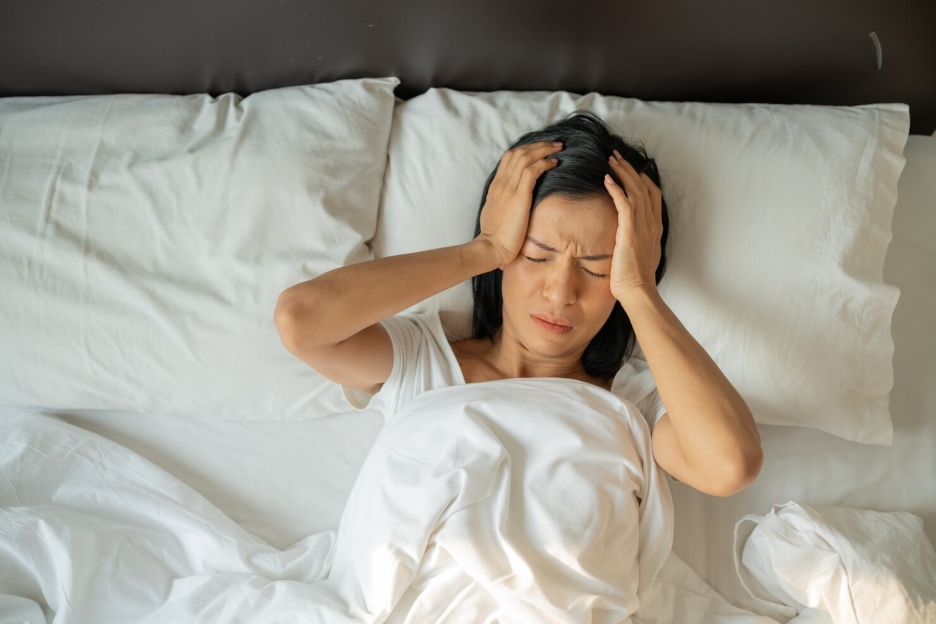
Sleep hygiene refers to the daily habits, routines, and environmental factors that influence how well you sleep. It is one of the most effective, natural ways to improve sleep quality without relying on medication. In simple terms, sleep hygiene means creating conditions that allow your body and mind to rest properly every night.
Many people struggle with poor sleep due to stress, screen exposure, irregular schedules, or lifestyle habits. Instead of immediately turning to medicine, adopting consistent sleep hygiene tips can help restore a natural sleep pattern over time.
Good sleep hygiene supports better sleep habits, improves mental clarity, and works as a non-medical sleep aid that aligns with your body’s natural rhythm.
What is Sleep Hygiene?
Sleep hygiene is not a single habit but a combination of behaviours that work together to improve sleep quality. It focuses on training your body to recognize when it is time to sleep and when it is time to stay awake.
Core components of sleep hygiene include:
- Maintaining a fixed sleep schedule
- Creating a calm sleep environment
- Managing stress before bedtime
- Limiting stimulants like caffeine
- Reducing screen exposure at night
When these habits are followed consistently, they help regulate your internal body clock, also known as the circadian rhythm.
Why Sleep Hygiene is Important
Sleep plays a vital role in physical health, emotional stability, and cognitive performance. Poor sleep hygiene can lead to difficulty falling asleep, frequent waking during the night, and feeling tired during the day.
Benefits of improving sleep hygiene:
- Faster and easier sleep onset
- Reduced night-time disturbances
- Improved concentration and memory
- Better emotional regulation
- Increased daily energy levels
These improvements make sleep hygiene one of the most reliable sleep tips for long-term wellness.
Key Sleep Hygiene Tips and Their Benefits
| Sleep Hygiene Practice | Benefit for Sleep |
|---|---|
| Consistent sleep timing | Stabilizes body clock |
| Reduced screen exposure | Improves melatonin production |
| Relaxation techniques | Reduces anxiety before bed |
| Comfortable sleep space | Enhances deep sleep quality |
| Limited caffeine intake | Prevents sleep disruption |
| Daily physical activity | Promotes natural tiredness |
Essential Sleep Hygiene Tips for Better Sleep
1. Stick to a Consistent Sleep Schedule
One of the most important sleep hygiene tips is maintaining a regular sleep and wake time. Going to bed and waking up at the same time every day helps your body develop a stable rhythm.
Even small variations, especially on weekends, can disrupt your sleep cycle. Over time, consistency helps your body naturally feel sleepy at the right time.
2. Build a Calming Night Routine
A bedtime routine prepares your brain for rest. It signals that the day is ending and sleep is approaching.
You can include activities such as:
- Reading a physical book
- Listening to soft music
- Light stretching or yoga
- Deep breathing exercises
Avoid mentally stimulating activities such as work discussions or stressful conversations before bed.
3. Reduce Screen Time Before Bed
Screens from phones, tablets, and computers emit blue light, which can suppress melatonin production. Melatonin is the hormone responsible for making you feel sleepy.
Try to switch off electronic devices at least 60 minutes before bedtime. This is one of the most effective sleep tips for improving natural sleep quality.
Instead, engage in relaxing offline activities like journaling or reading.
4. Create a Sleep-Friendly Environment
Your bedroom environment plays a major role in sleep quality. A well-designed sleep space can significantly improve rest.
Ideal sleep environment conditions:
- Dark room with minimal light
- Quiet surroundings or white noise
- Comfortable mattress and pillows
- Slightly cool room temperature
Small adjustments in your bedroom setup can have a major impact on your sleep.
5. Monitor Food and Drink Habits
What you consume during the day can directly affect your sleep at night. Heavy meals, caffeine, and sugar can disrupt your sleep cycle.
Caffeine, in particular, can stay in your system for several hours and delay sleep onset. Try avoiding coffee or energy drinks in the late afternoon or evening.
6. Manage Stress Effectively
Stress and anxiety are major causes of sleep problems. When your mind is overloaded, it becomes harder to relax and fall asleep.
Helpful stress management techniques include:
- Meditation or mindfulness
- Writing down thoughts before bed
- Controlled breathing exercises
- Gentle evening walks
If stress-related sleep issues continue, this resource can help you understand the connection better:
7. Get Regular Physical Activity
Exercise helps regulate sleep by improving mood and reducing stress. It also helps the body feel naturally tired at night.
However, timing matters. Exercising too close to bedtime may increase alertness and delay sleep. Morning or afternoon activity is usually more effective.
Simple activities like walking, cycling, or yoga can significantly improve sleep quality.
8. Limit Long Daytime Naps
Short naps can be refreshing, but long naps can interfere with nighttime sleep. If you need to nap, keep it under 30 minutes and avoid late afternoon naps.
This helps maintain your natural sleep pressure, making it easier to fall asleep at night.
Sleep Hygiene as a Non-Medical Sleep Aid
Sleep hygiene is considered a non-medical sleep aid because it does not involve medication or external substances. Instead, it improves sleep naturally by adjusting daily habits.
Unlike sleeping pills, sleep hygiene focuses on long-term improvement rather than short-term relief. It supports sustainable sleep health by aligning your routine with your body’s natural rhythms.
Some people also explore additional sleep-related support options when lifestyle changes alone are not enough.
However, lifestyle-based improvements should always be the first step.
Common Mistakes That Affect Sleep Hygiene
Many people unintentionally follow habits that harm sleep quality.
Common mistakes include:
- Using mobile phones in bed
- Sleeping at different times every day
- Drinking caffeine late in the day
- Working or studying in bed
- Ignoring stress before bedtime
Avoiding these mistakes is just as important as adopting good habits.
How Long Does Sleep Hygiene Take to Work?
Sleep hygiene is not an instant solution. It requires consistency and patience. Most people begin to notice improvements within a few days to a few weeks.
The key is regular practice. Even if results are not immediate, your body gradually adjusts to healthier sleep patterns.
When to Seek Help
While sleep hygiene is highly effective, persistent sleep problems may require medical evaluation. If you continue to experience difficulty sleeping for several weeks, it is important to consult a healthcare professional, especially if there are concerns about pill addiction or reliance on sleep medications.
Sleep hygiene should be seen as a supportive approach, not a replacement for medical treatment when needed.
Conclusion
Improving your sleep does not always require medication. At Sleeping Pills UK, we encourage users to follow simple and consistent sleep hygiene tips to naturally improve sleep quality and overall well-being.
Building better sleep habits, reducing stress, and creating a sleep-friendly environment all work together to support restful nights. These strategies act as a reliable non-medical sleep aid, helping your body return to its natural rhythm without immediate dependence on medication.
With patience and consistency, sleep hygiene can transform how you rest and how you feel during the day.
Disclaimer
The content shared here is for general informational purposes only and does not replace medical advice. Please consult a doctor or pharmacist before using any medicine product.
What is sleep hygiene?
Sleep hygiene refers to habits and routines that help improve sleep quality naturally without medication.
What are the best sleep hygiene tips?
The best tips include maintaining a sleep schedule, reducing screen time, managing stress, and improving your sleep environment.
How does sleep hygiene improve sleep?
It regulates your body’s internal clock and reduces factors that disrupt sleep, such as stress and screen exposure.
Can sleep hygiene replace sleeping pills?
It can reduce dependency on medication but should not replace medical treatment without professional guidance.
How quickly does sleep hygiene work?
Some improvements may appear within days, but consistent results usually take a few weeks.