
- Your cart is empty
- Continue Shopping


10 Sleep Hygiene Tips to Try Before Using Medication
- Family Care, Pharmacy
- Posted on
- by sleepingpillsuk
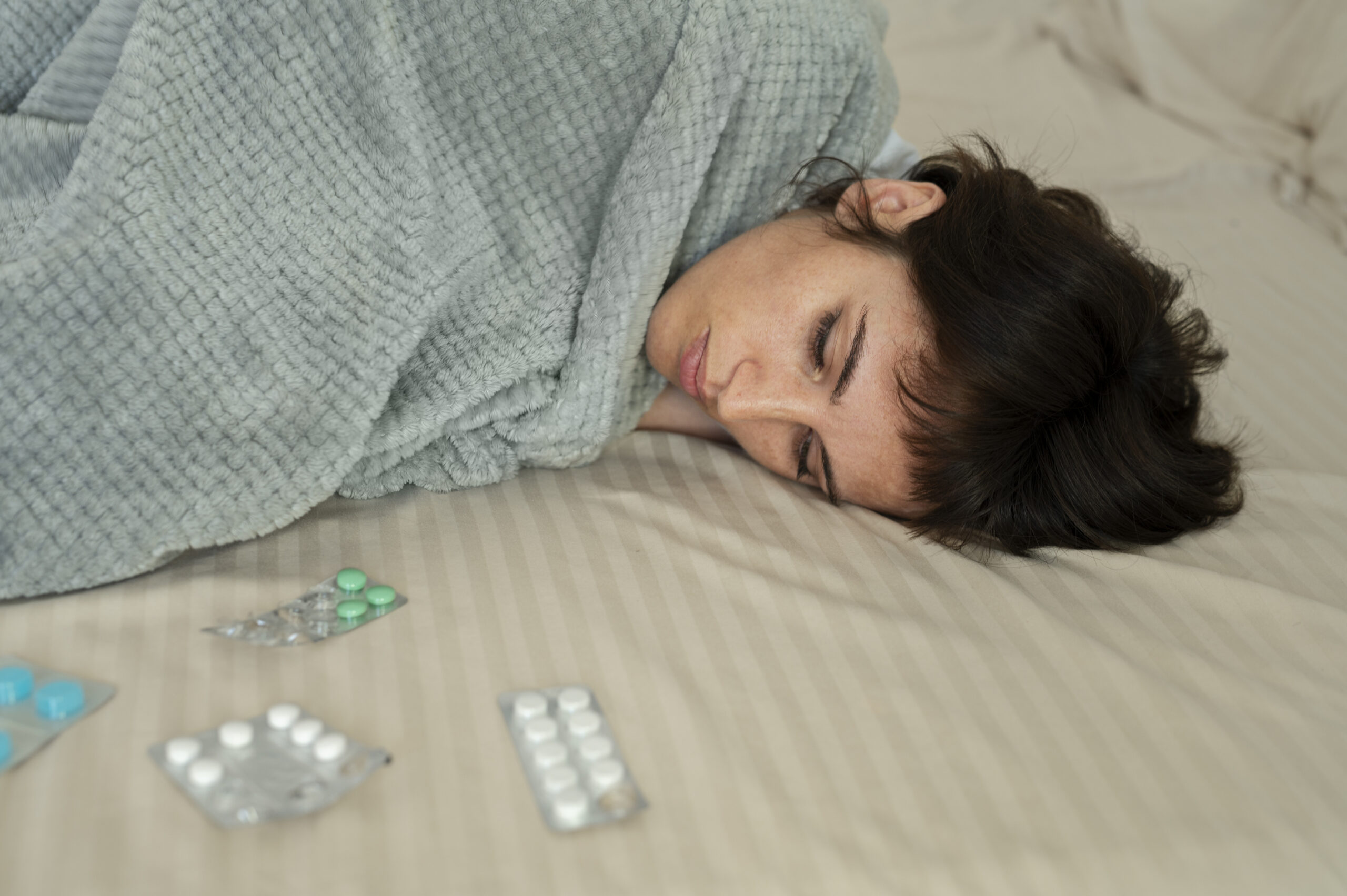
Before reaching for a prescription or over-the-counter sleep aid, there is a considerable amount that can be done through changes to your daily habits and environment. Sleep hygiene tips for better sleep are not just common-sense advice to dismiss. They are evidence-informed practices that address the root behavioural and environmental factors that undermine sleep quality for many people.
The term sleep hygiene refers to a set of practices and habits that support consistent, restful sleep. Getting it right does not guarantee immediate results, but over several weeks of consistent implementation, many people experience dramatic improvements in both how quickly they fall asleep and how deeply they sleep. This guide walks through ten of the most effective and well-supported strategies.
Why Sleep Hygiene Matters Before Medication
Medication can be a valuable tool for short-term management of severe insomnia, but it does not address the underlying behaviours and environmental factors that may be causing or perpetuating sleep problems in the first place. Learning how to improve sleep naturally through consistent habit changes creates a sustainable foundation that medication alone cannot provide.
Furthermore, some sleep medications carry risks of dependence, tolerance, and side effects that make long-term use inadvisable for most people. Starting with sleep hygiene gives you the best chance of achieving restorative sleep without these complications. Even if medication is eventually needed, good sleep hygiene makes it more effective and reduces the dose required.
If anxiety is a significant factor in your sleep problems, our detailed guide on anxiety and sleep problems covers the psychological dimension of insomnia alongside these behavioural strategies.
1. Maintain a Consistent Sleep Schedule
Your body operates on an internal clock called the circadian rhythm, which regulates when you feel sleepy and when you feel alert. One of the most impactful sleep hygiene tips for better sleep is to keep your sleep and wake times consistent every day, including weekends. Irregular sleep patterns confuse the circadian rhythm and make it harder to fall asleep and wake up naturally.
Choose a wake time that is realistic and stick to it regardless of how well you slept the night before. Over time, this anchors your biological clock and strengthens the drive to sleep at the same time each evening. Resist the temptation to compensate for a poor night with a lie-in, as this delays your next sleep period and perpetuates the cycle.
2. Create a Sleep-Friendly Bedroom Environment
The sleep environment has a significant influence on sleep quality, yet it is often overlooked. The best bedtime routine for insomnia includes optimising the space where you sleep. Aim for a room that is cool (around 16 to 18 degrees Celsius is often recommended), dark, and quiet. Your body temperature naturally drops as you approach sleep, and a cooler room supports this process.
Blackout curtains, an eye mask, earplugs, or a white noise machine can all help block environmental disturbances. Consider whether your mattress and pillows are supportive and comfortable. Many people sleep poorly for years on an unsuitable mattress without connecting it to their sleep problems.
3. Limit Caffeine After Midday
Caffeine is a stimulant with a half-life of approximately five to six hours in most adults, meaning that a cup of coffee consumed at 3pm still has half its caffeine content circulating in your system at 9pm. This is sufficient to delay sleep onset, reduce deep sleep duration, and increase the frequency of night-time awakenings.
As part of your sleep hygiene checklist, move your caffeine cutoff earlier in the day. For many people, stopping caffeine after midday makes a noticeable difference. This includes not just coffee but also tea, cola, energy drinks, and some medications that contain caffeine.
4. Reduce Alcohol Consumption, Particularly in the Evening
Alcohol is widely used as a sleep aid, but it is highly counterproductive. While it may reduce sleep-onset time initially, alcohol disrupts sleep architecture significantly, particularly in the second half of the night. It suppresses REM sleep, increases sleep fragmentation, and often causes an arousal effect as it is metabolised, leaving you wide awake in the early hours.
Reducing alcohol, and particularly avoiding it in the three to four hours before bed, is one of the more impactful steps you can take if you are learning how to improve sleep naturally. Even moderate amounts can measurably reduce sleep quality.
5. Establish a Wind-Down Routine
Transitioning directly from high-stress, high-stimulus activities to bed is one of the most common sleep hygiene mistakes. Your nervous system needs time to shift from a state of alertness to one of calm before sleep is possible. A consistent wind-down routine in the 30 to 60 minutes before bed sends signals to your body that sleep is approaching.
This might include reading, gentle stretching, a warm bath, or listening to calming music. For a detailed breakdown of how to build this into a nightly practice, see our guide on a bedtime routine for insomnia sufferers, which covers specific techniques and timings.
6. Limit Screen Time Before Bed
Screens emit blue light that suppresses melatonin production and signals to the brain that it is still daytime. Using phones, tablets, or computers in the hour before bed can delay sleep onset by 30 minutes or more and reduce overall sleep quality. This is particularly relevant for people who use their phones in bed.
As part of your sleep hygiene checklist, set a digital cutoff at least 60 minutes before your intended sleep time. If screens are unavoidable, blue light filtering glasses or software settings that reduce blue light emission can offer partial mitigation.
7. Use the Bed Only for Sleep
This principle, known as stimulus control, is one of the most evidence-backed elements of cognitive behavioural therapy for insomnia. When you regularly use the bed for working, watching television, scrolling your phone, or worrying, the bed becomes associated with wakefulness rather than sleep. Over time, simply getting into bed can trigger alertness rather than drowsiness.
Reserving the bed exclusively for sleep retrains the brain to associate the bed with relaxation and sleep. This can take a few weeks to take effect, but it is a cornerstone of the best bedtime routine for insomnia.
8. Get Regular Daytime Exercise
Regular physical activity is one of the most consistently supported interventions for improving sleep quality. Exercise helps to regulate the circadian rhythm, reduce cortisol levels, and promote the deeper slow-wave sleep that is most physically restorative. Even moderate-intensity activity such as a brisk 30-minute walk can produce measurable improvements in sleep.
Timing matters, however. Vigorous exercise within two to three hours of bedtime can be stimulating for some people due to the release of adrenaline and the increase in core body temperature. Morning or afternoon exercise is generally preferred for sleep benefits.
9. Manage Stress and Worry Before Bed
Unresolved worry is one of the most common reasons why people lie awake at night. Rather than waiting for these thoughts to ambush you at bedtime, try scheduling a dedicated worry time earlier in the day. Spend 15 to 20 minutes writing down your concerns and any potential solutions, then close the notebook and commit to returning to these thoughts the next day during the designated time.
If anxiety is the primary driver of your sleep problems, this strategy works best as part of a broader anxiety management approach. Our guide on insomnia caused by anxiety covers this in more depth.
10. Avoid Long or Late Daytime Naps
A short nap of 20 to 30 minutes in the early afternoon can be restorative without significantly affecting night-time sleep. However, long or late naps reduce sleep pressure, which is the biological drive to sleep that builds throughout the day and is essential for falling asleep at night. Napping after 3pm in particular tends to interfere with night-time sleep onset.
If you are experiencing chronic insomnia, it is often advisable to avoid daytime napping entirely until night-time sleep has stabilised. This helps build the sleep pressure needed to fall asleep more readily at your intended bedtime.
Sleep Hygiene Checklist
Sleep Hygiene Practice | Frequency | Done? |
Keep consistent sleep and wake times | Every day | [ ] |
Cool, dark, quiet bedroom environment | Every night | [ ] |
No caffeine after midday | Every day | [ ] |
No alcohol within 3 hours of bed | Every night | [ ] |
Wind-down routine 30-60 minutes before bed | Every night | [ ] |
No screens 60 minutes before bed | Every night | [ ] |
Bed used only for sleep and sex | Every night | [ ] |
30 minutes of moderate exercise | Most days | [ ] |
Scheduled worry time in the day | Daily | [ ] |
No naps after 3pm | Every day | [ ] |
When to Consider Additional Support
If you have implemented these sleep hygiene tips for better sleep consistently for four to six weeks without significant improvement, it is worth seeking professional support. Chronic insomnia that does not respond to behavioural interventions may benefit from CBT-I delivered by a trained therapist, or in some cases from short-term medication. If you do consider medication, understanding sleeping pills side effects will help you make an informed choice.
At Sleeping Pills UK site, we encourage individuals experiencing persistent sleep difficulties to seek appropriate medical guidance rather than relying solely on self-management strategies.
It is also worth checking whether another sleep condition, such as sleep apnea, might be contributing to your symptoms. Our comparison of sleep apnea vs insomnia can help you determine whether further investigation is warranted.
Disclaimer
This article is for general informational purposes only and does not constitute medical advice, diagnosis, or treatment. Always consult a qualified healthcare professional before starting, changing, or stopping any medication.
Frequently Asked Questions
How long does it take for sleep hygiene changes to work?
Most people begin to notice improvements within two to four weeks of consistently applying good sleep hygiene practices. Some changes, such as establishing a fixed wake time, may show results within a week. More significant restructuring of sleep patterns typically takes four to six weeks of sustained effort.
Is sleep hygiene enough to treat chronic insomnia?
Sleep hygiene alone is often insufficient for established chronic insomnia, but it is an essential component of any treatment plan. It works best in combination with cognitive behavioural techniques that address the thought patterns maintaining insomnia. For mild to moderate insomnia, good sleep hygiene combined with relaxation strategies can be highly effective.
Can I use sleep hygiene tips alongside medication?
Yes, and this is often the recommended approach. Sleep hygiene creates the conditions for medication to work more effectively and reduces the dose needed. More importantly, it addresses the underlying factors that will allow sleep to continue improving when medication is eventually discontinued.
Does napping undo good sleep hygiene?
A short nap of 20 minutes before 3pm is unlikely to significantly disrupt night-time sleep in most people. However, for those actively trying to consolidate their night-time sleep and overcome insomnia, avoiding naps entirely is usually recommended until the night-time pattern is stable.
What is the most important sleep hygiene tip?
Maintaining a consistent wake time every day, including weekends, is often cited by sleep specialists as the single most impactful sleep hygiene change. It anchors the circadian rhythm and builds the sleep pressure needed to fall asleep readily each night. All other practices support this foundation.