
- Your cart is empty
- Continue Shopping


Sleep Apnea vs Insomnia: Key Differences You Should Know
- Pharmacy
- Posted on
- by sleepingpillsuk
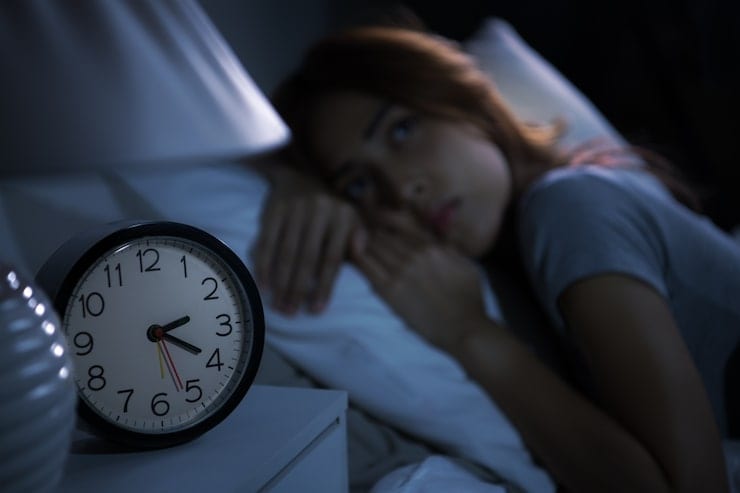
Poor sleep is one of the most common health complaints in the UK, but not all sleep problems are the same. Two of the most frequently confused conditions are sleep apnea and insomnia. While both can leave you exhausted, foggy-headed, and struggling to function, they have fundamentally different causes, mechanisms, and treatments. Confusing the two can lead to ineffective self-management and delay in getting the right support.
Understanding the difference between insomnia and sleep apnea is not just an academic exercise. It has direct implications for how you approach treatment, what questions you ask your doctor, and whether the interventions you try are likely to help. This guide breaks down both conditions clearly so you can identify which may be affecting you.
What Is Insomnia?
Insomnia is a sleep disorder characterised by persistent difficulty falling asleep, staying asleep, or achieving sleep that feels restorative, despite having adequate opportunity for sleep. It is one of the most prevalent sleep conditions in the world, affecting an estimated third of adults in the UK at some point in their lives.
Insomnia is typically classified by its duration. Acute insomnia lasts less than three months and is often tied to a specific stressor or life event. Chronic insomnia persists for three months or longer, occurring at least three nights per week, and may require more structured intervention. The defining feature of insomnia is that the person is trying to sleep but cannot, rather than choosing not to or having their sleep disrupted by an external physical cause.
If you are looking for strategies to manage insomnia before turning to medication, our guide on sleep hygiene tips for better sleep offers a practical starting point.
What Is Sleep Apnea?
Sleep apnea is a condition in which breathing repeatedly stops and starts during sleep. These breathing interruptions, called apneas, can last from a few seconds to over a minute and can occur dozens or even hundreds of times per night. The most common form is obstructive sleep apnea (OSA), where the muscles in the throat relax and block the airway.
Unlike insomnia, the person with sleep apnea is often not consciously aware of their disrupted breathing. They may feel that they sleep adequately in terms of duration but wake feeling completely unrefreshed, because the constant interruptions prevent them from reaching the deep, restorative stages of sleep. A bed partner is often the first to notice the loud snoring or gasping sounds associated with the condition.
Sleep apnea is a serious medical condition with links to cardiovascular disease, high blood pressure, type 2 diabetes, and stroke. It requires proper medical diagnosis and treatment, typically through a GP referral to a sleep specialist.
Symptoms of Sleep Apnea vs Insomnia
The symptoms of sleep apnea vs insomnia overlap in some areas, which is why the two conditions are so often confused. Both can cause excessive daytime sleepiness, difficulty concentrating, mood disturbances, and impaired performance at work or school. However, the characteristic features of each condition are quite distinct.
With insomnia, the central complaint is the inability to sleep when you want to. You may lie awake for long periods, wake repeatedly during the night with difficulty returning to sleep, or wake very early and be unable to drift off again. Your mind is often active and restless, and the bedroom environment may come to feel associated with wakefulness and frustration.
With sleep apnea, the central complaint is unrefreshing sleep despite spending enough time in bed. You may have no conscious awareness of waking during the night, but you wake feeling as though you have not slept at all. Loud snoring, gasping for air, choking sensations during sleep, and morning headaches are particularly associated with sleep apnea rather than insomnia. Waking with a dry mouth or sore throat is also common.
People who are uncertain whether their fatigue and poor sleep are linked to anxiety should read our overview of anxiety and sleep problems, which covers the psychological drivers of sleeplessness in detail.
Comparison: Sleep Apnea vs Insomnia
| Feature | Insomnia | Sleep Apnea |
|---|---|---|
| Core problem | Cannot fall or stay asleep | Breathing stops repeatedly during sleep |
| Aware of waking? | Yes, usually | Often not |
| Snoring | Uncommon | Very common, often loud |
| Morning headaches | Rare | Common |
| Dry mouth on waking | Uncommon | Common |
| Main treatment | CBT-I, sleep hygiene, medication | CPAP therapy, weight management, surgery |
| Diagnosis method | Clinical interview | Sleep study (polysomnography) |
| Associated with anxiety? | Strongly linked | Less commonly |
Causes and Risk Factors
The causes of insomnia are largely psychological and behavioural. Stress, anxiety, depression, poor sleep habits, an irregular sleep schedule, and the use of stimulants such as caffeine or alcohol are among the most common contributors. Certain medical conditions and medications can also cause or worsen insomnia.
Sleep apnea, particularly obstructive sleep apnea, has more physical causes. Excess weight around the neck, a narrow airway, large tonsils, nasal congestion, and the natural relaxation of throat muscles during sleep all contribute. Middle-aged men and postmenopausal women are disproportionately affected, though the condition can occur at any age and in any gender.
Central sleep apnea, a less common form, involves the brain failing to send the correct signals to the breathing muscles. This is more often associated with heart failure, stroke, or the use of certain medications, particularly opioids.
Diagnosis and Testing
Insomnia is typically diagnosed based on a clinical interview and sleep history. There is no specific test required. Your GP will ask about the nature, duration, and impact of your sleep problems, as well as any potential contributing factors. A sleep diary kept for two weeks before your appointment can provide useful information.
Sleep apnea requires more formal investigation. A home sleep test or in-lab overnight sleep study (polysomnography) is needed to confirm the diagnosis. These tests measure breathing patterns, oxygen levels, heart rate, and body movement during sleep to identify apnea events and assess their severity.
If you are currently using or considering prescription sleep aids while you seek a diagnosis, understanding sleeping pills side effects is particularly important, especially as some medications may worsen breathing difficulties in undiagnosed sleep apnea.
Treatment Approaches
The treatments for insomnia and sleep apnea are quite different, which is another reason accurate diagnosis matters.
For insomnia, cognitive behavioural therapy for insomnia (CBT-I) is the preferred first-line treatment. Sleep hygiene improvements, relaxation techniques, and in some cases short-term medication are also used. The goal is to address the underlying thoughts and behaviours that perpetuate sleeplessness.
For sleep apnea, continuous positive airway pressure (CPAP) therapy is the gold-standard treatment. It involves wearing a mask during sleep that delivers a steady stream of air to keep the airway open. Weight loss, positional therapy, dental devices, and in some cases surgery are also options depending on severity and individual factors.
Before resorting to medication for either condition, it is worth exploring sleep hygiene tips for better sleep as these can complement any treatment programme.
Can You Have Both Conditions?
Yes, comorbid insomnia and sleep apnea (COMISA) is increasingly recognised as a distinct and challenging presentation. Research suggests that up to 50 percent of people with sleep apnea also meet diagnostic criteria for insomnia. When both conditions are present simultaneously, treatment becomes more complex because addressing one in isolation may not fully relieve symptoms.
In this situation, CPAP therapy for the apnea may be tolerated poorly if insomnia makes it difficult to fall asleep with the mask on. Conversely, treating insomnia with sedative medications may worsen breathing during sleep. A sleep specialist can help navigate this dual diagnosis and develop an integrated treatment plan.
Understanding your complete sleep picture is essential. If anxiety is also a factor, our guide on how anxiety affects sleep quality on Sleeping Pills UK Site provides useful context.
Disclaimer:
This article is for general informational purposes only and is not intended as a substitute for professional medical advice, diagnosis, or treatment. Always seek advice from a qualified healthcare provider regarding any medical condition or treatment.
Frequently Asked Questions
How do I know if I have sleep apnea or insomnia?
The key distinguishing factor is whether you are struggling to fall or stay asleep (insomnia) or whether you seem to sleep but wake feeling completely unrefreshed, often with snoring (sleep apnea). If your bed partner has reported that you snore heavily, gasp, or stop breathing during sleep, sleep apnea is strongly suggested. A GP can help guide appropriate testing.
Can insomnia cause you to develop sleep apnea?
Insomnia does not directly cause sleep apnea, but the two conditions are frequently comorbid. Some researchers believe that chronic sleep deprivation from insomnia may increase upper airway instability, potentially worsening existing sleep apnea. However, the relationship is not straightforward, and more research is needed.
Is sleep apnea dangerous if left untreated?
Yes. Untreated sleep apnea is associated with significantly elevated risks of high blood pressure, heart disease, stroke, type 2 diabetes, and motor vehicle accidents due to daytime sleepiness. It is important to seek medical assessment if sleep apnea is suspected.
Can sleep apnea be mistaken for depression?
The fatigue, low mood, poor concentration, and reduced motivation caused by untreated sleep apnea can closely mimic the symptoms of depression. Many people with undiagnosed sleep apnea have been treated for depression without resolution because the underlying breathing disorder was not identified. A proper sleep evaluation is important when depressive symptoms are present alongside significant fatigue.
Are there lifestyle changes that help with both sleep apnea and insomnia?
Several lifestyle changes benefit both conditions. Maintaining a healthy weight, reducing alcohol consumption, avoiding sedatives that relax throat muscles, keeping a consistent sleep schedule, and sleeping on your side rather than your back can all help. However, lifestyle changes alone are rarely sufficient for moderate to severe sleep apnea, which typically requires CPAP therapy.